Mihir Agarwal
MS Data Science @ Columbia University • Previously: GE Vernova / Shell / Vidrona / ISEP • learn ⇄ implement ⇄ optimize

New York, NY
ma4874@columbia.edu
Hello! Welcome to my personal archive. 👋
I am a Master’s student at Columbia University, researching memory-augmented transformers and generative modeling. My goal is to build systems that are not only theoretically sound but computationally efficient at scale.
My current work, advised by Prof. Micah Goldblum (Columbia) and Prof. Pavel Izmailov (Anthropic / NYU), focuses on replacing RAG pipelines with memory layers that store knowledge directly inside transformer attention as learned key-value banks — removing the need for external retrieval entirely. I also built an evaluation harness for autonomous database agents, benchmarking frontier LLMs across concurrency control, access control, integrity rules, and query efficiency — dimensions most benchmarks ignore (Be CARE-ful with Text-to-SQL Benchmarks, accepted as a poster at the NeurIPS 2026 Evaluations & Datasets Track). Beyond that, I worked on generative modeling, developing neuro-symbolic frameworks that integrate Neural Point Processes with Diffusion Models to capture complex continuous-time dynamics.
Professional Background
This summer (May–August 2026) I was an Agentic AI Research Intern at GE Vernova, where I worked on agent memory and context management strategies and a knowledge graph retrieval layer for structured reasoning over industrial documents.
I approach research with a strong engineering discipline, honed during my three years as a Machine Learning Engineer at Shell. There, I engineered a production RAG pipeline serving 90,000+ employees and built ML-driven test prioritization tools, reducing execution overhead by 35%.
My research journey began at ISEP (Paris), where I co-authored a Springer Journal paper on ML-based resource management for distributed systems (Fog Computing). I also have experience deploying computer vision models for industrial drone inspections at Vidrona (London).
What’s Next
I am actively looking for research internship and full-time industry opportunities.
I am always open to discussing technical challenges or potential collaborations.
News
| Sep 24, 2026 | Our paper Be CARE-ful with Text-to-SQL Benchmarks was accepted as a poster at the NeurIPS 2026 Evaluations & Datasets Track! |
|---|---|
| Apr 17, 2026 | Presenting a poster on NeuroLOB at the AIX Summit East 2026, New York, a student research showcase co-hosted by the Asian American Scholar Forum and AI NextGen Foundation. |
Selected Projects
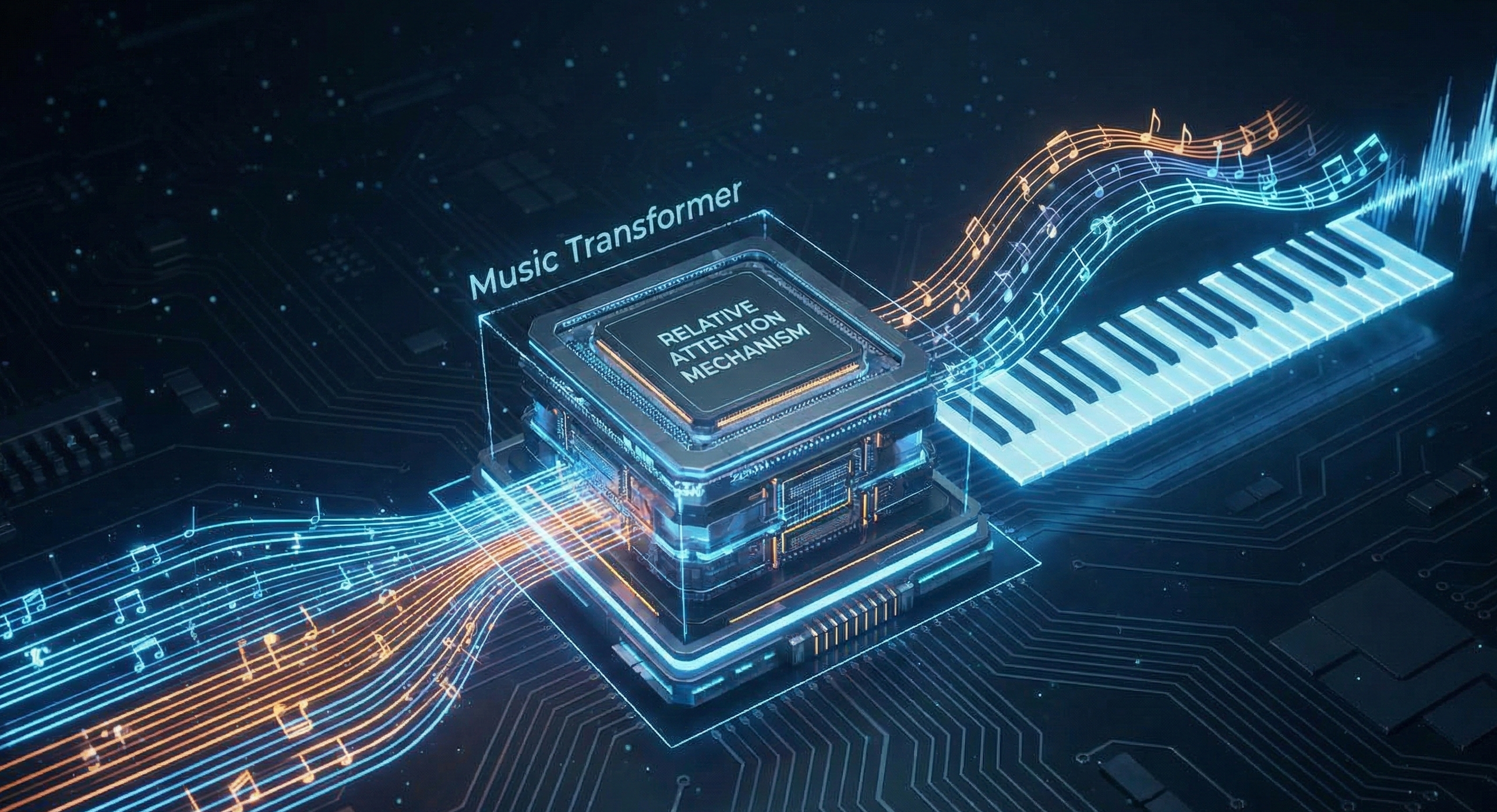 | Music Transformer Comparing Vanilla Attention vs. Relative Attention for MIDI generation. |
|---|---|
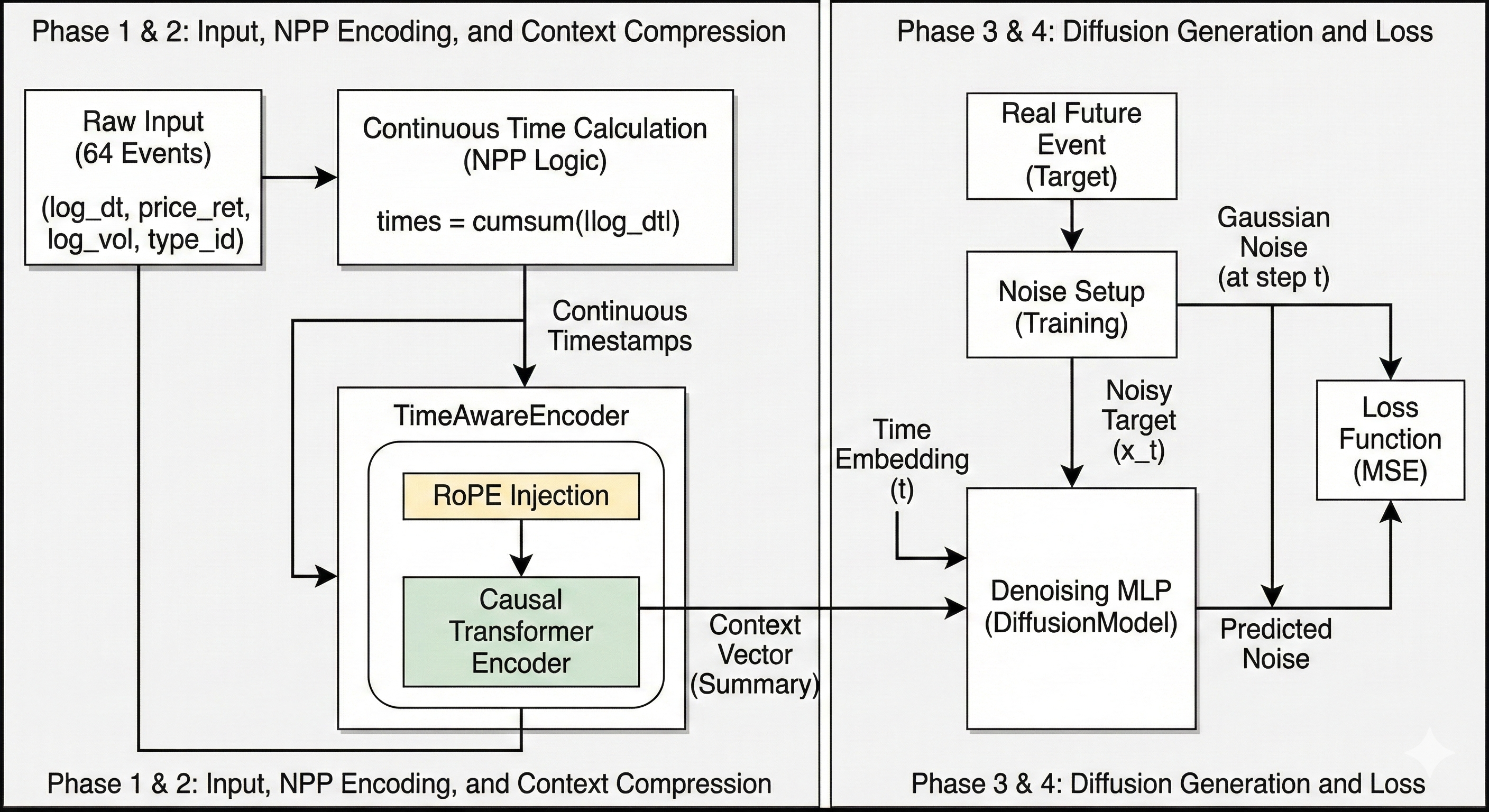 | NeuroLOB Generative Market Intelligence using Neural Point Processes & Diffusion. Live Demo |
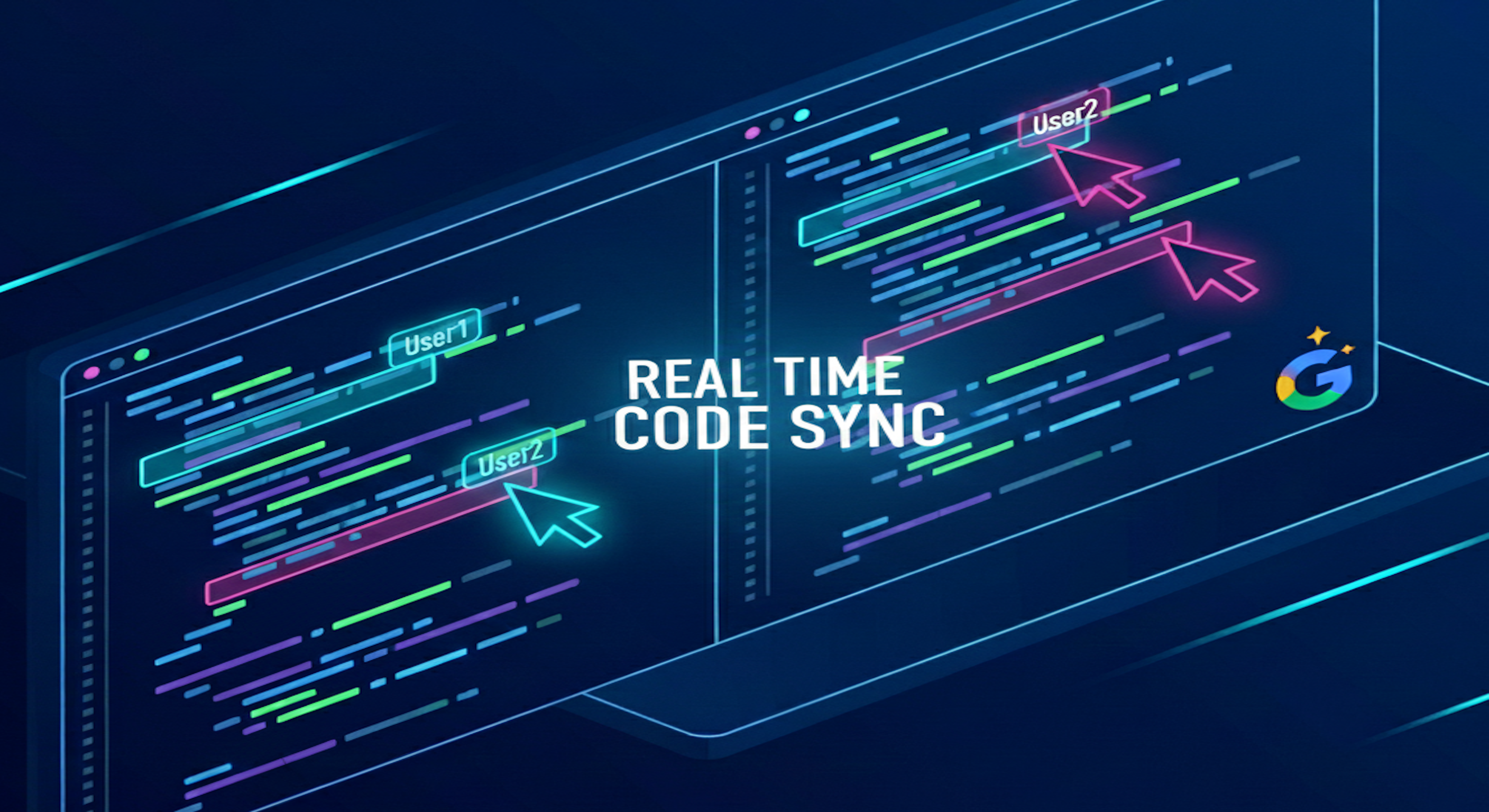 | Real-Time Collaborative Code Editor A low-latency distributed system for live coding interviews with AI assistance. Live Demo |
Experience
 | GE Vernova Agentic AI Research Intern (May 2026 - Aug 2026)
|
|---|---|
 | Shell (Bengaluru, India) Software Engineer (Aug 2022 - Aug 2025)
|
 | ISEP (Paris) Researcher (Jan 2022 - Aug 2022) Co-authored Springer paper on ML-based resource management to optimize Fog Computing latency. |
 | Vidrona (London) Machine Learning Intern (July 2020 - Aug 2022) Deployed YOLO/Faster R-CNN models for automated inspections, saving 300+ manual hours weekly. |
selected publications
- NeurIPSBe CARE-ful with Text-to-SQL BenchmarksIn Advances in Neural Information Processing Systems (NeurIPS), Evaluations and Datasets Track, 2026Accepted as a poster.
- SpringerMachine learning-based solutions for resource management in fog computingMultimedia Tools and Applications, 2023